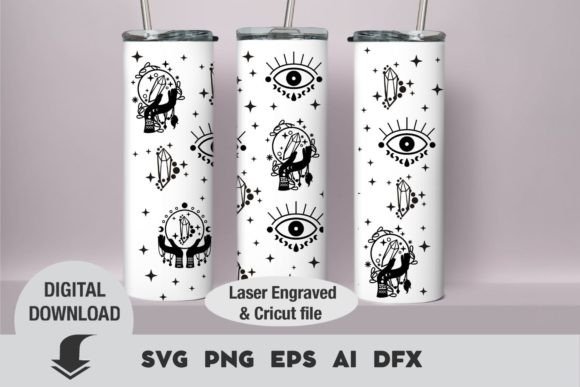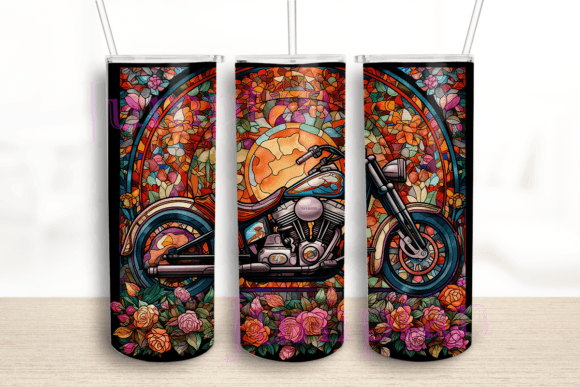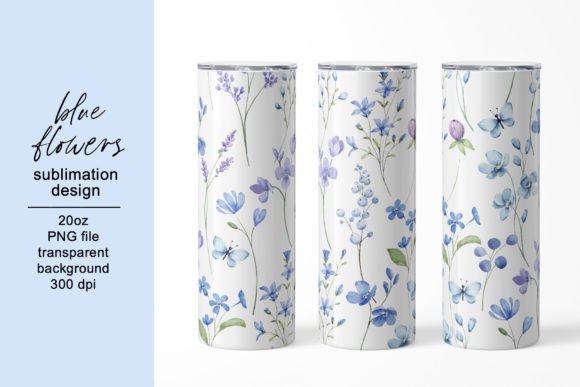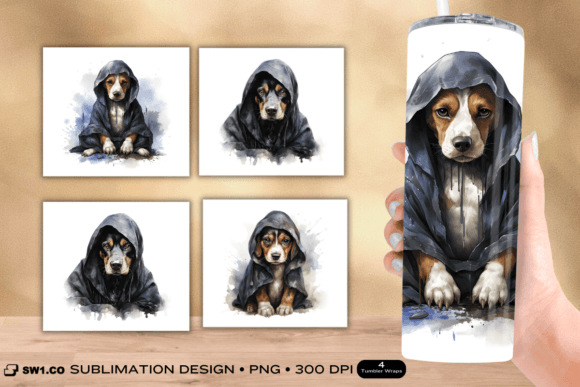
Laser Engraved Tumbler 40oz Design
Let’s be real: I opened this file expecting a sleek, minimalist tumbler graphic — something clean enough for a boutique coffee shop logo or a personalized gift for a new grad. What I got was sharper than anticipated: crisp lines, intentional negative space, and that subtle engraved texture implied in the vector outlines. As an embroidery designer who’s stitched everything from baby onesies to wholesale apron lines, my first question wasn’t “Is it pretty?” It was “Will this hold up when translated into thread on real fabric?” So I tested it — not just on screen, but on a cotton twill tote bag, a midweight sweatshirt, and a linen tea towel. Here’s what actually matters.
First Impression: A Design That Speaks Quiet Confidence
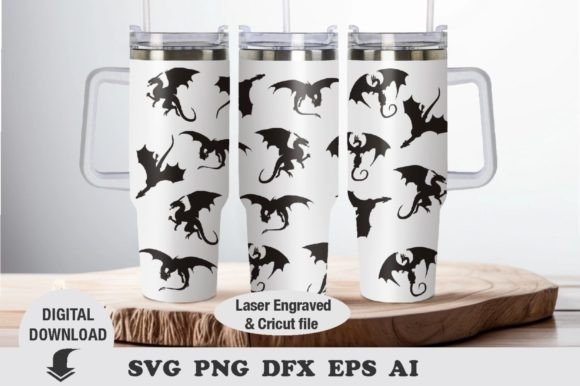
The Laser Engraved Tumbler 40oz Design reads as modern, functional, and quietly refined — not flashy, not cutesy, not overly technical. Its silhouette is balanced: tall enough to suggest volume, narrow enough to avoid visual heaviness. The engraved effect translates well to satin stitch borders and subtle fill gradients in embroidery software. It doesn’t scream “look at me,” but it *does* invite touch and recognition — exactly what you want on a handmade product meant to be held, used, and kept.
Where It Shines (and Where It Needs Guardrails)
This design thrives on structured, medium-to-heavy fabrics where stitch definition stays sharp: think canvas tote bags, denim jackets, cotton drill aprons, or thick-knit sweatshirts. On a 12”x16” hoop, it stitches cleanly at 4.5”–5.5” wide — ideal for center-chest placement on adult tees or front-panel embroidery on oversized totes. I used it as a custom embroidered patch for a local café’s staff aprons, and the clean edges held up beautifully after three rounds of commercial laundering.
But here’s the honest part: Laser Engraved Tumbler 40oz Design isn’t built for delicate contexts. Avoid it on baby onesies unless you simplify or scale down significantly — those fine engraved-line details get lost in tiny satin stitch runs. Same goes for stretchy performance knits or ultra-thin rayon blends: without heavy stabilizer and careful digitizing adjustments, the shape can warp or pucker. And on dark fabric? Test contrast early. The design relies on tonal subtlety — so if your thread is matte black on charcoal, you’ll lose dimension. Switch to heather gray thread or add a white underlay stitch to lift it.
Real-World Fit: Beyond the Obvious
I recently used this as the anchor motif for a holiday gift set: embroidered on a linen kitchen towel, heat-pressed onto a ceramic mug (via printable mockup), and laser-cut as a wood veneer tag. The consistency across formats proved how strong its core structure is — a rare win for a single digital asset. For Etsy sellers, that versatility is gold: one embroidery file supports multiple product listings without needing redesigns. Craft business owners will appreciate how easily it integrates into branding — it pairs naturally with serif typography for a small-batch roastery or clean sans-serif for a wellness studio’s merch line.
It also works surprisingly well as a subtle accent: scaled to 1.75” and stitched along the hem of a baby blanket, or as a minimalist chest emblem on a unisex cap (though curved surfaces demand re-hooping and light-density fill stitch tweaks). Just remember — if you’re stitching it on a curved surface like a baseball cap, reduce fill density by 15–20% and use tear-away + cut-away stabilizer combo. Otherwise, the tumbler’s base can pull or distort.
Design Integrity & Customer Trust
Here’s something few reviewers mention: customers notice when a design feels *intentionally made for embroidery*, not just copied from a laser engraving template. The Laser Engraved Tumbler 40oz Design avoids over-detail — no micro-text, no overlapping thin strokes, no fragile serifs. That means fewer thread breaks, cleaner trims, and a finished product that looks professionally digitized, even if you’re using basic software. That perception directly impacts perceived value: buyers pay more for items that look deliberate, not DIY-compromised.
For small shop owners, that professionalism builds trust fast. When a customer sees this on a hand-stitched pillow cover or personalized sweatshirt, they don’t see “digital download.” They see craftsmanship — especially when paired with thoughtful thread color choices (I recommend navy on oatmeal linen, or charcoal gray on cream cotton).
Practical Designer Notes Before You Stitch
- Always test on scrap fabric first — especially if using textured weaves or blends.
- Check stitch density in your embroidery software; dense fills may need reduced density for breathable fabrics.
- Confirm hoop size compatibility — this design fits comfortably in a 5”x7” hoop, but verify before hooping expensive fabric.
- Inspect corners and curves — the tumbler’s handle curve and base edge should flow smoothly, not stutter.
- Test in black-and-white mockups to assess contrast before committing to thread colors.
- Compare light vs. dark fabric backgrounds — some versions of this design rely on shadow layers that disappear on black.
- Use appropriate stabilizer: cut-away for knits, tear-away for stable wovens, and fusible for lightweight linens.
- Review licensing terms — this listing states “YOU MAY Use these files to make cups to sel” — clarify whether resale of embroidered items is permitted before launching on Etsy or at craft fairs.
Bottom line? The Laser Engraved Tumbler 40oz Design isn’t just another digital embroidery file. It’s a quietly versatile, production-ready asset — one that bridges Crafts and Graphics with purpose. Whether you’re building a cohesive line of personalized gifts, stocking a boutique shelf, or designing for a client’s brand refresh, it delivers clarity without clutter. Just treat it like the thoughtful tool it is: test it, tune it, and let its clean confidence speak for your work.